 codiflash
What Is an Employee Portal? (And How It Differs from an Intranet)
An employee portal is a self-service hub for HR tasks, payroll, IT requests, and internal tools. Here's how it differs from a standard intranet — and when you need both.

Introduction
An employee portal is a centralized digital space where employees access company information, self-service tools, and internal resources. It’s often part of a broader intranet but can also stand alone. This article defines what an employee portal is and what it typically includes.
Employee Portal vs. Intranet
The terms overlap but aren’t identical:
- Intranet – Broader internal platform: news, documents, collaboration, department sites.
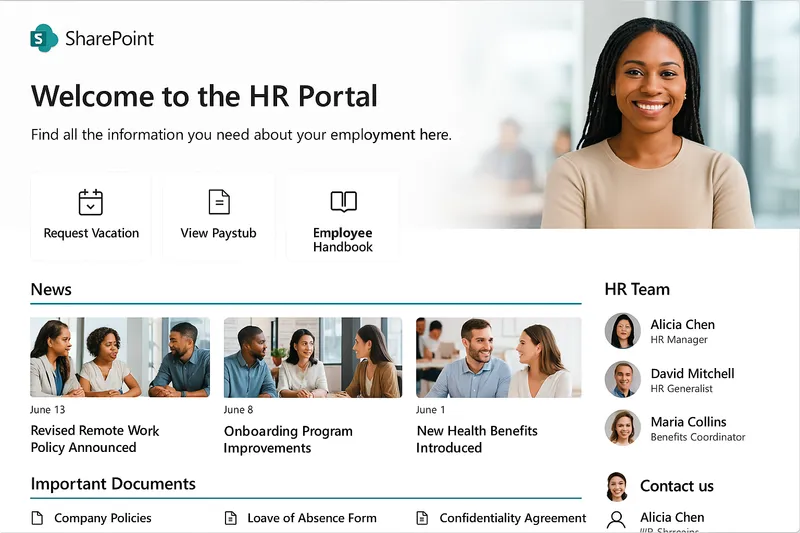
- Employee portal – Often focused on the employee experience: HR self-service, benefits, policies, onboarding, requests.
Many organizations build an employee portal as a key section of their intranet, or as the main landing experience for employees.
Key Features of an Employee Portal
1. HR Self-Service
- Vacation and leave requests
- Pay slip and tax document access
- Benefits enrollment and information
- Training and development resources
- Organizational charts and directory
2. Policies and Handbooks
- Company policies, codes of conduct
- HR handbooks and manuals
- Compliance and safety information
3. Onboarding
- New hire checklists
- Welcome content and introductions
- IT setup and access requests
- Training schedules
4. Internal Communications
- Company news and announcements
- Department updates
- Events and calendar
5. IT and Support
- How-to guides and FAQs
- Service request forms
- Links to help desk or ticketing
Why Use an Employee Portal?
- Reduce HR and IT load – Self-service cuts repetitive questions and manual work.
- Improve employee experience – One place for policies, benefits, and requests.
- Consistency – Everyone uses the same, up-to-date information.
- Compliance – Centralized policies and acknowledgments support audit and compliance.
Building an Employee Portal on SharePoint
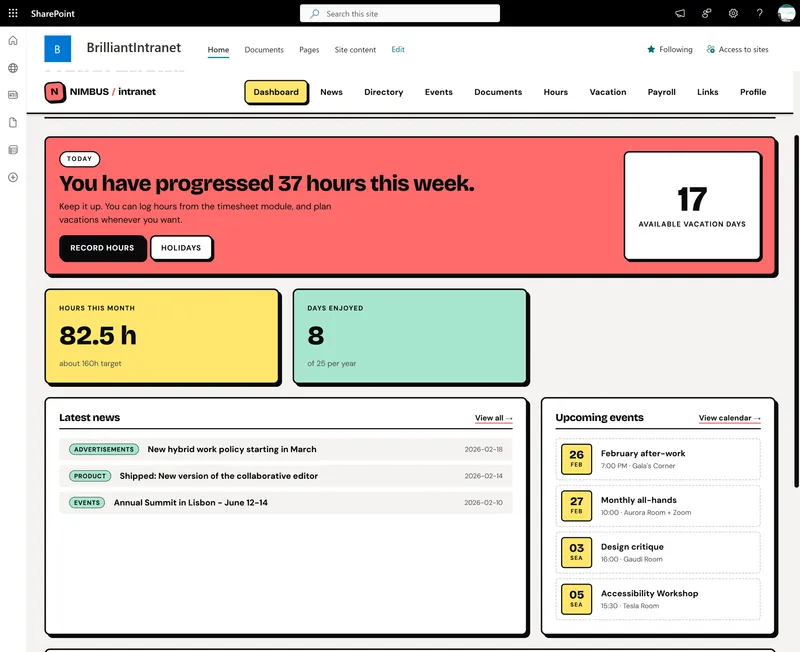
SharePoint is a common platform for employee portals because it integrates with Microsoft 365, supports forms (Microsoft Forms, Power Apps), and can be customized with SPFx. A typical portal includes:
- Communication sites for HR content
- Document libraries for policies
- Forms and Power Automate for requests
- Employee directory (often with Azure AD / Microsoft 365 profiles)
Conclusion
An employee portal centralizes HR, policies, and self-service in one place. Built on SharePoint, it can reduce administrative burden and improve the employee experience.
Interested in an employee portal for your organization? Contact us for a free consultation.